
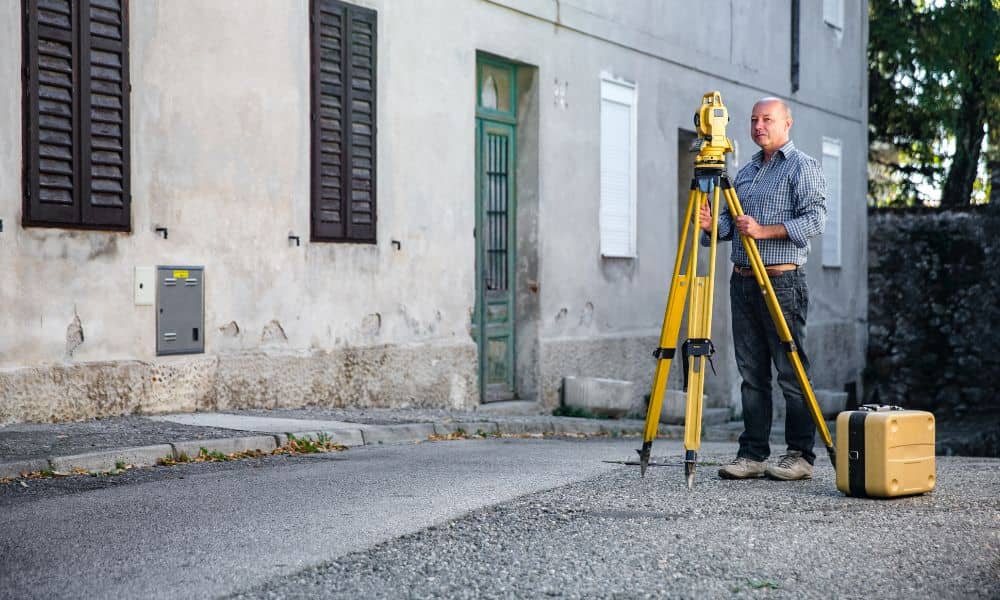
Chicago feels solid. The skyline stands strong, the streets stay busy, and most homeowners never question the ground beneath them. However, recent reports show that parts of the city are slowly shifting downward over time. The movement happens quietly, almost invisibly. Still, even small vertical changes can affect how your home drains, settles, and holds its value. Because of this, more property owners now look beyond surface problems. Instead of waiting for cracks or pooling water, they ask a smarter question: Where does my property truly sit today? The answer often begins with an elevation survey.
Chicago’s Ground Is Slowly Changing
Chicago sits on clay-rich soil and former lakebed areas. Over decades, that soil compresses under the weight of buildings, streets, and utilities. At the same time, groundwater levels shift and infrastructure grows heavier. As a result, the land adjusts.
This shift does not happen fast enough to feel. Yet over 20 or 30 years, inches matter. A slight drop in one area can change drainage patterns. A raised street from resurfacing projects can alter how water flows across your lot. Gradually, the relationship between your home and the surrounding ground changes.
Most homeowners do not notice the process. Instead, they notice the symptoms.
What an Elevation Survey Really Shows
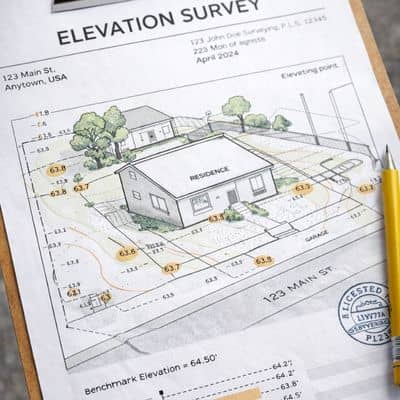
An elevation survey measures the vertical height of your property. In simple terms, it shows how high or low your home sits compared to nearby ground and street levels. Unlike a boundary survey, which focuses on lot lines, an elevation survey focuses on height differences.
Surveyors measure the finished floor of your home, the surrounding yard, and the adjacent street. Then, they compare those numbers using precise equipment. The result gives you a clear picture of how your structure relates to its environment.
This matters because water follows gravity. Foundations rely on stable slopes. Sewer lines depend on proper drop. When vertical relationships shift, these systems react.
Small Shifts Create Real Consequences
At first, changes appear minor. You might notice a small crack in brick mortar. Perhaps your porch steps pull slightly away from the main structure. Maybe water begins to collect near the garage after heavy rain.
These issues often get blamed on age or weather. However, vertical land movement often plays a role. When soil compresses unevenly, foundations experience stress. When street elevations rise due to resurfacing, lots may sit lower than they once did. Over time, drainage patterns change.
An elevation survey replaces guessing with data. It confirms whether your yard still slopes away from your house. It shows whether your foundation remains at a safe height relative to the street. Instead of reacting to visible damage, you gain insight early.
Why Old Survey Records May No Longer Be Reliable
Many Chicago homes come with survey paperwork from years ago. While that information helps, it does not always reflect current conditions. Streets get paved again and again. Utilities get replaced. New buildings rise nearby. All of these changes influence surrounding soil.
Therefore, elevation numbers from 2005 may not match conditions in 2026. Even slight differences can affect drainage and foundation performance. When you rely on outdated measurements, you design renovations or repairs around assumptions.
A new elevation survey reflects today’s vertical reality. That clarity supports smarter decisions.
Renovations Demand Accurate Elevation Data
Planning a basement remodel? Adding a second story? Building a new garage? These projects rely on precise height measurements. Without updated elevation data, contractors and engineers work with incomplete information.
For example, if your lot now sits slightly lower than the street, water may move toward the house rather than away from it. If soil settles unevenly, additional weight from an addition may increase stress.
With an elevation survey, design professionals adjust grading plans, drainage systems, and foundation support accordingly. As a result, you reduce long-term risk and avoid expensive corrections later.
Sewer Flow Depends on Proper Slope
Chicago homes rely on gravity-fed sewer systems. Pipes need a steady downward slope to move wastewater efficiently. However, if vertical land shift alters that slope, performance changes.
Homeowners often suspect clogs when backups occur. Yet in some cases, minor elevation differences reduce proper flow. Over time, even small adjustments in ground level influence pipe alignment.
An elevation survey helps professionals evaluate how your foundation sits relative to the street connection. This information supports plumbing assessments and infrastructure planning.
Buyers and Sellers Benefit From Elevation Clarity
Today’s real estate market rewards transparency. Buyers want reassurance that a property sits safely and drains properly. Updated elevation information builds trust during negotiations.
If you plan to sell, providing a recent elevation survey shows that you understand your property’s current condition. On the other hand, if you plan to buy an older Chicago home, especially one near filled land or close to Lake Michigan, checking vertical positioning protects your investment.
Elevation data supports informed decisions. It reduces surprises after closing.
Prevention Costs Less Than Repair
The greatest strength of an elevation survey lies in prevention. Instead of waiting for visible foundation damage, you gain early insight. Instead of discovering drainage problems after heavy rain, you address grading before issues grow.
Because Chicago’s land shift occurs slowly, proactive steps make a difference. Minor grading corrections cost far less than structural repairs. Clear data guides practical solutions.
A Smarter Way to Protect Your Property
Chicago’s vertical land movement may seem subtle, but its effects build over time. The ground beneath your home continues to respond to development, soil conditions, and infrastructure changes.
An elevation survey does not create fear. Instead, it creates clarity. It shows how your home stands today — not decades ago. With accurate measurements, you plan renovations wisely, protect drainage systems, and maintain property value.
Ultimately, smart ownership means understanding more than what you see. It means knowing where your property sits, how it drains, and how it responds to gradual change. In a city where even inches matter, that knowledge provides lasting peace of mind.
