

Chicago has always seen heavy rain. However, the recent storms overwhelmed many neighborhoods. Streets filled fast. Basements flooded. Sump pumps ran all night. In some areas, water stayed for hours before draining. At first, most homeowners focused on cleanup. They tore out wet drywall, replaced flooring, and called their insurance companies. Yet once the water dried, another issue appeared — paperwork. Specifically, the need for a flood elevation certificate.
Many people only think about this document when buying a home. However, after recent storm damage, it plays a much bigger role. It affects repairs, permits, and future protection.
Storm Damage Can Trigger More Than Repairs
After a big flood event, cities increase inspections. Building departments look more closely at damaged homes. Insurance companies review claims more carefully. Lenders pay attention to properties in flood-prone areas.
Because of this, documentation becomes very important.
If repair costs reach a certain level, federal flood rules may apply. That’s where a flood elevation certificate becomes critical. It shows how high your home sits compared to the base flood level in your area. In simple terms, it proves whether your house meets current flood rules.
Without it, repairs and approvals can become harder.
The 50% Rule Most Homeowners Don’t Know About
Here’s something many homeowners never hear about.
If storm repairs cost 50% or more of your home’s value, federal flood rules may call it “substantial damage.” When that happens, you may need to bring your home up to current flood standards before rebuilding.
This could mean raising parts of the structure or making changes to the foundation.
At that point, a flood elevation certificate becomes very important. It helps show whether your home already meets the right height — or whether changes are needed.
Without clear elevation data, you risk delays, extra costs, or permit problems.
Chicago’s Older Homes Face Special Challenges
Chicago has many older homes, especially near the river and low-lying areas. Years ago, those homes met the rules at the time. However, flood maps and building codes change over time.
In addition, heavy rain affects soil conditions. Chicago soil often contains clay. When clay gets wet, it expands. When it dries, it shrinks. Over time, that movement can shift a foundation slightly.
Even small shifts can change elevation readings.
Therefore, after a major storm, old records may not tell the full story. Updated measurements give you clear and current information.
Post-Storm Inspections May Require Proof
When whole neighborhoods flood, city inspectors review repair permits more closely. If you apply to fix structural damage, officials may ask for proof of elevation.
Having a flood elevation certificate helps right away.
Instead of waiting weeks for paperwork, you can move forward with repairs. You also avoid surprise issues during inspections.
FEMA Assistance and Required Records
Some homeowners apply for federal disaster help after severe storms. While approval depends on many factors, paperwork supports the process.
A flood elevation certificate shows where your home stands compared to flood levels. That information may affect rebuilding rules or future flood protection steps.
While cleanup feels urgent, documents protect your long-term investment. Acting early often prevents stress later.
Repeated Flooding Can Lead to Bigger Problems
If a property floods more than once, it may face closer review under federal flood programs. Over time, this can affect rebuilding rules and future requirements.
If your home has flooded more than once, updated elevation information becomes even more important. It shows your current situation and helps you plan wisely.
Instead of reacting after every storm, you gain better control over your property.
Selling After a Storm? Buyers Will Notice
Even if you plan to sell later, recent flooding can raise questions. Buyers check neighborhood flood history. Lenders look at flood exposure. Appraisers consider risk.
When you provide a recent flood elevation certificate, you show that you prepared properly. That builds trust.
In Chicago’s market, clear documentation can make buyers feel more comfortable and confident.
What a Licensed Surveyor Checks
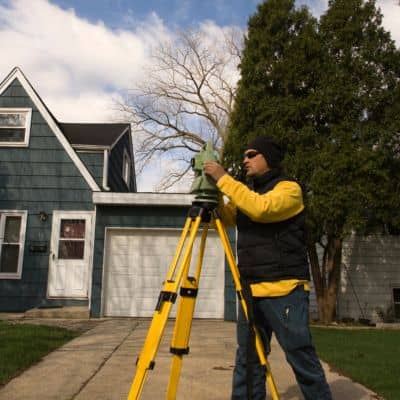
A licensed land surveyor visits your property and measures key elevation points. They compare those numbers to the official base flood level for your area. They also confirm the height of the lowest floor and nearby ground.
Because they use accurate tools and official standards, their results carry legal weight.
After major storms, updated measurements reflect real conditions — not old estimates.
When Should You Take Action?
You should think about reviewing your flood elevation certificate if:
- Repair costs are high
- You applied for structural repair permits
- Your basement flooded badly
- You plan to sell or refinance
- Your home sits in or near a flood zone
Even if you feel unsure, a quick talk with a licensed land surveyor can help.
Storm Recovery Means More Than Cleanup
Storms disrupt daily life. However, they also bring inspections, reviews, and new requirements. While most homeowners focus on drying out their homes, smart owners also protect their paperwork.
A flood elevation certificate does more than show numbers. It protects your rebuilding rights. It supports permits. It strengthens future decisions. Most of all, it gives you peace of mind.
Chicago will always see heavy rain. However, preparation makes the difference.
If your property suffered recent storm damage, reviewing your flood elevation certificate now can prevent bigger problems later. Taking action early may save time, money, and stress in the months ahead.
