

Chicago is not falling apart. However, recent reporting has confirmed something that surprises many property owners: parts of the city are slowly sinking over time. While the movement measures in millimeters, the impact can be serious. Because of this shift, topo surveys are now being requested more often for urban projects across Chicago.
If you plan to build, redevelop, or submit plans for approval, this change matters to you. What once passed review may no longer meet today’s standards. As a result, survey data that seemed “good enough” a few years ago can now cause delays, redesigns, or added costs.
Chicago’s Ground Is Moving — Slowly but Consistently
Recent scientific studies and local reporting revealed that Chicago’s ground surface is sinking by small amounts each year. This movement comes from long-term forces like glacial rebound, groundwater changes, and the weight of dense urban infrastructure.
Although the change feels tiny, it adds up. Over many years, even small elevation shifts can affect how water flows, how foundations sit, and how utilities connect. In a dense city like Chicago, those details matter.
More importantly, this is not a theory anymore. Engineers, planners, and city reviewers now treat elevation change as a real factor in design decisions. Because of that, they rely more on current site data, not assumptions from the past.
Why Urban Properties Feel the Impact First
Rural land can absorb gradual change with fewer issues. Urban land cannot. Chicago’s neighborhoods hold layers of pavement, buildings, utilities, and drainage systems that all depend on precise elevations.
When the ground shifts:
- Water may drain differently than expected
- Adjacent lots may no longer align as designed
- Infrastructure connections may fall out of tolerance
As a result, what worked before may no longer work now. This explains why urban properties face tighter review and higher documentation standards.
Why Old Survey Data Is No Longer Reliable
Many projects rely on topo data pulled from older plans. Some developers reuse surveys from past owners. Others assume that a site surveyed years ago still reflects today’s conditions.
That assumption now creates problems.
Elevation data represents a moment in time. When ground conditions change, even slightly, old data loses accuracy. Because Chicago’s subsidence occurs gradually, these changes often go unnoticed until design or permitting starts.
Therefore, reviewers increasingly ask one key question: Does this topo reflect current ground conditions?
If the answer is unclear, a new topo survey becomes necessary.
Why City Reviewers and Engineers Are Asking for More Topo Surveys
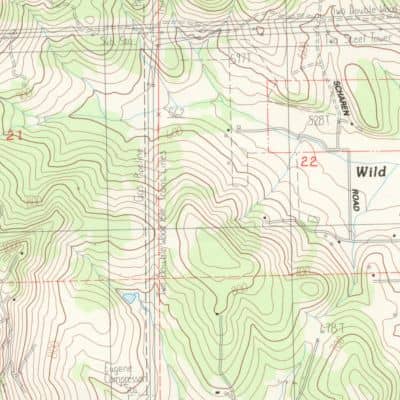
This trend does not come from overregulation. Instead, it comes from risk management.
City agencies, engineers, and consultants carry responsibility when approving plans. If drainage fails, if flooding increases, or if utilities conflict, the issue traces back to inaccurate site data.
Because Chicago now recognizes long-term elevation movement, reviewers expect updated topo surveys that reflect present-day conditions. This protects:
- The city
- The design team
- The property owner
In short, topo surveys now act as proof that a project starts from accurate ground truth.
Redevelopment Projects Face the Highest Scrutiny
Redevelopment and infill projects feel this change the most. Many lots sit vacant for years before reuse. Others contain older buildings that get demolished and replaced.
During those gaps:
- Ground conditions may shift
- Surrounding infrastructure may change
- Drainage patterns may evolve
When redevelopment begins, older topo data rarely tells the full story. Because of that, these projects often trigger requests for updated topo surveys during plan review.
For developers, this can feel unexpected. However, from a reviewer’s view, relying on outdated elevation data introduces avoidable risk.
Topo Surveys as Baseline Protection
Today, topo surveys serve a new role. They no longer just support design. They also establish a baseline record of site conditions before construction begins.
This baseline protects everyone involved. If conditions change later, the original topo shows what existed at the start. That matters for disputes, drainage concerns, and liability questions.
In a city where ground conditions evolve slowly, having a clear snapshot of current elevations provides confidence and clarity.
When Property Owners Should Expect a New Topo Survey Request
Property owners often ask why a topo survey appears late in the process. In many cases, it happens when:
- Plans rely on older site data
- Drainage concerns surface during review
- Redevelopment sites lack recent documentation
- Engineers cannot verify existing elevations
At that point, reviewers pause progress until updated topo surveys confirm conditions. Ordering the survey earlier often prevents these delays.
Why This Trend Will Continue
Chicago’s infrastructure continues to age. Floodplain awareness continues to grow. At the same time, redevelopment pressure increases across urban neighborhoods.
Because of these factors, accurate elevation data becomes more important every year. Topo surveys provide that accuracy. As a result, they move from optional to expected.
This shift does not mean projects become harder. Instead, it means projects start with better information.
Final Thoughts
Chicago’s ground is changing slowly, but expectations are changing quickly. News coverage has brought attention to urban subsidence, and professionals across the city have responded.
Today, topo surveys help confirm current conditions, support safe design, and reduce approval risks. For urban property owners, that clarity matters more than ever.
If you plan to build or redevelop, relying on old assumptions can cost time and money. Starting with accurate topo data helps you move forward with confidence, even as the ground beneath the city continues to shift.
