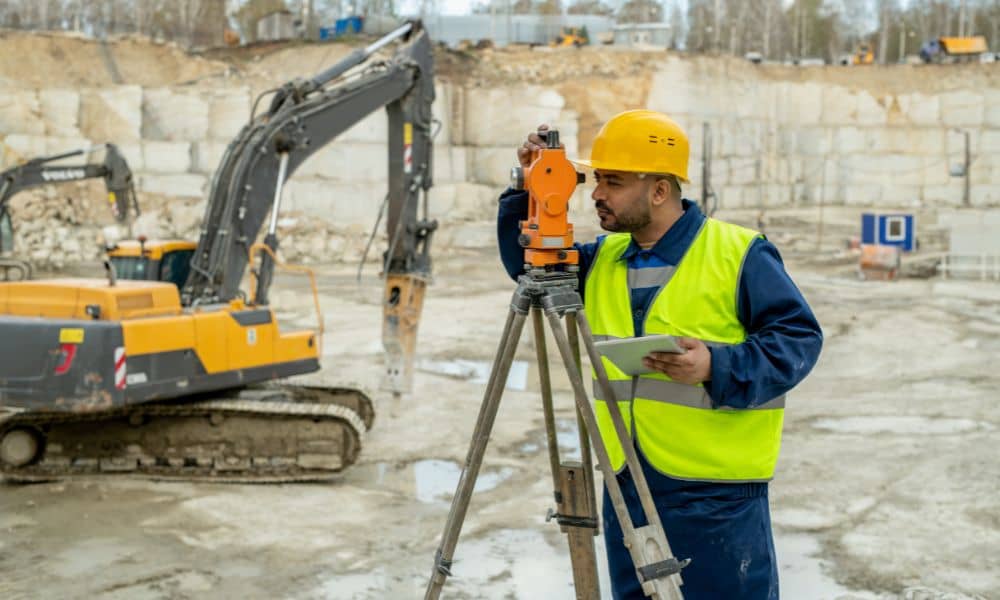
Big projects do not always move in a straight line. In Chicago, recent transit delays have made that clear. Work can slow down when funding shifts or plans change. But even when everything pauses, the ground does not. The site keeps changing every day, which is why getting the site surveyed early helps teams stay on track from the start.
At first, a delay may not seem like a big problem. Crews stop, and work waits. But the site does not stay the same. Rain can shift soil. Equipment can move things around. Even simple foot traffic can disturb markers.
Because of this, the site you come back to is not always the one you left. And when that happens, confusion starts before work even begins again. That’s where a construction survey comes in. It helps bring everything back into place so the project can move forward with confidence.
Delays Create More Than Lost Time
Most people think delays only cost time. But they also create gaps in information. Old layout points may not match the ground anymore. Utility lines can shift. Elevation markers can get disturbed.
So when work starts again, teams may end up using outdated data, especially if they skip checking the site before work starts. That’s usually when mistakes begin.
On a large project, even small errors can grow quickly. A few inches off can affect alignment, safety, and inspections. Because of that, crews may need to stop, fix the issue, and start again.
In the end, that kind of setback costs more than time. It slows everything down and throws off the whole project.
Why Large Projects Depend on Strong Site Control
Transit work in Chicago stretches across long distances. It crosses streets, connects systems, and involves many teams. Because of that, everything must stay aligned from start to finish.
A construction survey helps keep that alignment steady. It sets clear reference points and makes sure they stay consistent over time.
Without that control, different parts of the project can drift apart. One team may build based on old data, while another follows updated plans. That gap creates problems that are hard to fix later.
So while the delay may come from funding, the real risk comes from losing control of the site.
Restarting Without Checking the Site Is a Risk
When delays end, there is often pressure to move fast. Crews want to catch up. Owners want progress. However, jumping back in without checking the site can lead to bigger problems.
The ground may have shifted. Conditions may have changed. What worked before the delay may not work now.
That’s why a construction survey plays a key role before work resumes. It confirms what is still correct and what needs to be updated. It also helps teams move forward with confidence instead of guesswork.
Without that step, small errors can turn into costly rework.
How a Construction Survey Keeps Projects Connected
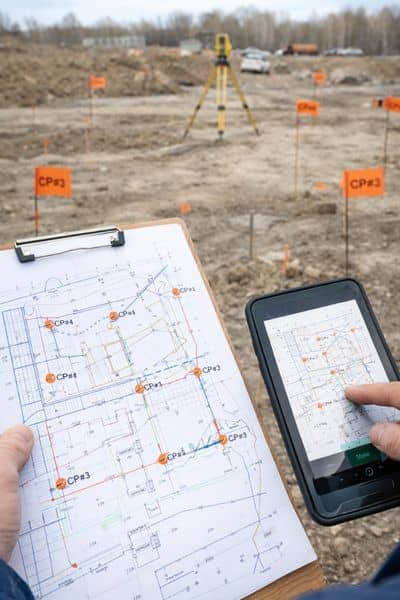
A construction survey is not just a one-time task. It works as a connection between each phase of the project.
First, it checks what has already been built. Then, it compares that with current site conditions. After that, it sets updated layout points so crews can continue accurately.
Because of this, each phase lines up with the next one. Even if the project pauses, the survey helps keep everything tied together.
Think of it as a guide that keeps the project on track, even when the schedule changes.
The Same Problems Happen on Smaller Projects
You do not need a major transit project to face these risks. Smaller builds deal with the same issues all the time.
A project may pause because of permits, financing, or design changes. During that time, the site keeps changing.
So when work starts again, teams may face the same confusion. Layout points may not match. Plans may not fit the current ground.
That’s why a construction survey matters for both large and small projects. It helps keep everything aligned, no matter the size of the job.
Keeping Everyone on the Same Page
Projects involve many people. Engineers, contractors, and inspectors all need to work from the same information. However, delays can break that connection.
A construction survey brings everyone back to the same point. It provides updated, accurate data that all teams can trust.
Because of that, work moves forward more smoothly. There are fewer questions, fewer conflicts, and fewer surprises.
That kind of clarity is what keeps projects moving, even after a delay.
Why Experience Still Matters
Not all survey work is the same. A professional land surveyor understands how to handle changing conditions. A licensed land surveyor also ensures that the data remains accurate and reliable.
This becomes even more important when projects pause and restart. Conditions change, and decisions need to be made quickly.
Experienced surveyors know how to adjust, recheck, and keep the project aligned. That level of control helps prevent problems before they begin.
Delays Are Normal—Disorder Is Not
Chicago’s transit delays show a clear lesson. Projects can pause for many reasons. However, the ground keeps changing no matter what.
Without proper control, teams can lose track of the site. That leads to confusion, errors, and even more delays.
On the other hand, a construction survey keeps everything grounded. It connects past work to future progress. It also gives teams the confidence to move forward, even after a pause.
In the end, delays may be unavoidable. But losing control of your project does not have to be.