
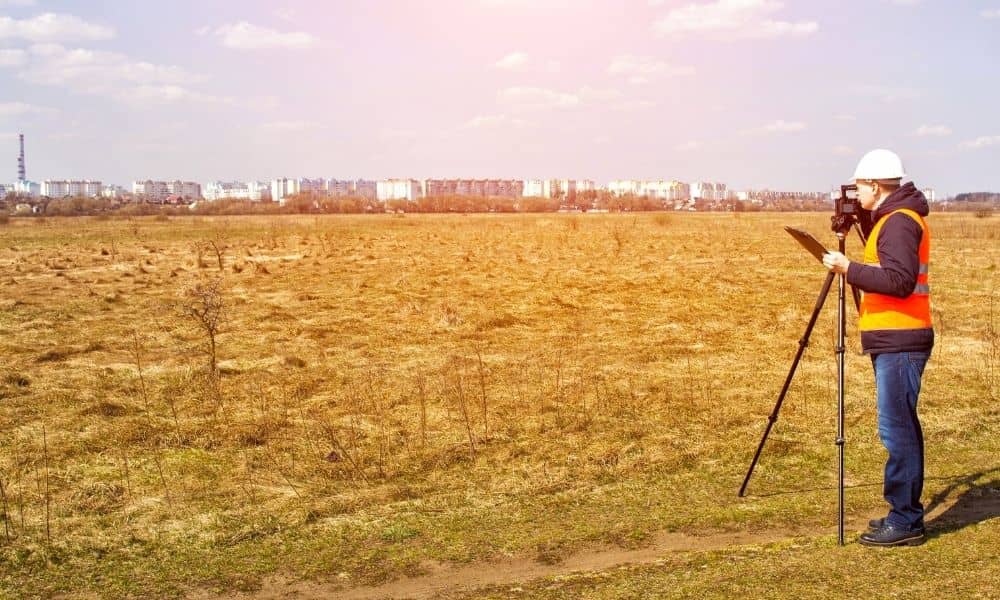
Lately, you may have seen headlines saying Chicago is sinking. The stories move fast across social media and local news. They talk about climate pressure, flooding, and ground movement. Naturally, people start to wonder what this means for their homes, businesses, and projects. However, headlines tell only part of the story. They describe trends across large areas, not what happens on a single lot. That gap creates confusion. This is where land surveying matters most. It turns big news into clear, measured facts that property owners can actually use.
Why “Chicago Is Sinking” Catches Attention
News outlets use simple language to explain complex studies. As a result, phrases like “Chicago is sinking” spread quickly. They feel urgent and personal. After all, land feels permanent. When the news suggests it is changing, people pay attention.
Still, these reports focus on regions, averages, and models. They do not describe your building, your street, or your parcel. Therefore, the headlines raise awareness, but they do not provide answers. Awareness helps, but decisions need proof.
Headlines Show Patterns, Not Property Conditions
News stories explain what may happen across a city or a watershed. They highlight patterns over time. That helps planners and researchers. Yet property decisions work differently.
For example, a lender, buyer, or builder needs to know what exists right now on a specific site. They need clear measurements, not general statements. Because of this, relying only on headlines leads to guesswork. Guesswork creates stress and delays.
In contrast, land surveying focuses on exact locations. It measures what exists on the ground, not what models predict. This difference matters when real money and real timelines stay on the line.
What Land Surveying Does That News Cannot
Land surveying establishes physical facts. Surveyors measure distances, positions, and elevations with precision. They work from known reference points and verified data. Because of that, their results stay repeatable and defensible.
When news reports suggest ground movement, survey data answers key questions. Has the elevation changed? Does the site drain as expected? Do structures sit where plans show? These answers come from measurement, not opinion.
Meanwhile, survey results support clear communication. Engineers, lenders, and owners all rely on the same numbers. That shared understanding keeps projects moving forward.
How Surveyors Evaluate Ground Conditions in Chicago
Chicago presents a dense urban environment. Buildings sit close together. Streets, alleys, and utilities fill the landscape. Because of this, small changes matter.
Surveyors look at how land, structures, and nearby features relate to each other. They check elevations and compare them to known benchmarks. Over time, repeat measurements reveal whether conditions remain stable or change.
Importantly, surveyors do not jump to conclusions. They compare data points carefully. They rely on math and observation. As a result, their work cuts through noise and focuses on facts.
When Property Owners Should Pay Attention
Not every headline requires action. Still, certain moments call for verified data. For example, buying or selling property often raises questions after major news stories. Lenders and insurers may ask for clarity. A survey provides it.
Likewise, renovation and construction projects depend on accurate ground information. Changes in drainage, grading, or elevation affect design choices. Therefore, checking conditions early saves time later.
Even homeowners may benefit when they notice water issues or uneven surfaces. In these cases, measurement helps identify causes instead of guessing at fixes.
Why Online Maps and Models Fall Short
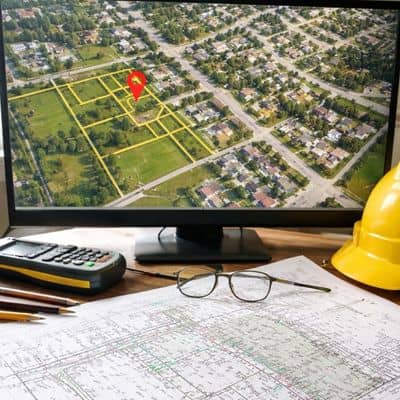
Online maps help with visualization. They show aerial images and rough layouts. However, they do not offer survey-grade accuracy. They also do not reflect current site conditions.
Similarly, news models describe possibilities, not verified facts on your lot. They help researchers study trends. Yet property decisions require certainty.
Land surveying bridges this gap. It provides data that teams can trust. It turns questions into numbers. Because of that, it supports confident decisions.
Land Surveying Brings Clarity During Uncertainty
During times of heavy news coverage, uncertainty grows. People hear different opinions and worry about outcomes. Measurement brings calm to that process.
Survey data helps owners understand what matters now. It shows where things stand today. It also supports planning for tomorrow. Instead of reacting to headlines, property teams act on facts.
Moreover, survey results improve coordination. Architects, engineers, and contractors work from the same information. This alignment reduces surprises and keeps schedules on track.
Facts Matter More Than Headlines
News stories play an important role. They raise awareness and spark conversation. Yet they cannot replace on-site measurement.
In Chicago, property decisions demand accuracy. Land surveying provides that accuracy. It measures what exists and documents it clearly. It replaces assumptions with facts.
So when headlines suggest big changes, pause before you worry. Ask what the data shows on your site. With professional measurement, clarity follows. And with clarity, better decisions come next.
