
Most people rarely think about land surveying, and that includes real estate investors in Chicago. When you look at the news, you’ll see stories about new towers, zoning fights, tax hikes, or major commercial deals. But you won’t see headlines about boundary mistakes, lost property corners, or survey delays that slowed a closing. That silence feels normal, yet it hides real risks for anyone buying or developing property in the city.
The truth is simple: the lack of news does not mean everything is fine. It means problems stay hidden until they become expensive. And in a fast-moving market like Chicago, that can hurt both new and seasoned investors.
Chicago Real Estate Moves Fast, but Survey Problems Stay Quiet
Chicago’s property market shifts all the time. Neighborhoods redevelop. Old buildings come down. New subdivisions open up. Investors pay attention to prices, financing, and location—but not always to the land itself. Since land surveying does not show up in public headlines, many investors assume it is routine. They think every survey is accurate, on time, and easy to understand.
However, seasoned surveyors know the truth. Boundary lines on old Chicago lots can be messy. Legal descriptions sometimes don’t match what exists on the ground. In some neighborhoods, past owners built fences or garages in the wrong place. These issues show up often, but they don’t attract media attention. Instead, they sit under the surface until a buyer runs into trouble during closing.
Because the news rarely covers survey problems, investors underestimate how often these problems occur. This false sense of security can affect major decisions and put money at risk.
Why Survey Stories Never Make the News
Survey mistakes don’t go viral for a few reasons. First, surveying feels technical, and most people don’t understand it. There are no dramatic photos or exciting breaking updates. Second, most disputes settle quietly between neighbors or attorneys. Third, people only talk about surveying when something goes wrong, and even then, they keep the details private.
Yet every investor depends on accurate boundaries. Without them, a deal can fall apart. A building can end up in the wrong place. A planned addition might violate a setback line. Even a small surveying error can cost thousands in legal fees or demolition work. So while the public ignores surveying, investors should pay even more attention to it.
Old Plats and Chicago’s Historic Layout Create Hidden Risks
Chicago has a long history of growth, and that history shows up in the land itself. Many neighborhoods still use plats from decades ago. Measurements taken by hand back then do not always match today’s tools. Streets shifted. Alleys widened. Lot lines changed as properties were divided or built over time.
Investors often buy properties based on old descriptions without checking how accurate they are. When a surveyor finally goes out to measure the lot, they sometimes discover gaps, overlaps, or missing markers. These surprises delay closings and increase costs, but they rarely make it into the news. Instead, buyers quietly pay more money to fix mistakes they didn’t expect.
In a city with dense development like Chicago, even a few inches can matter. A small encroachment can block a project or force a redesign. But again—no headlines, no warnings.
Chicago’s PLSS System Adds Another Layer of Complexity
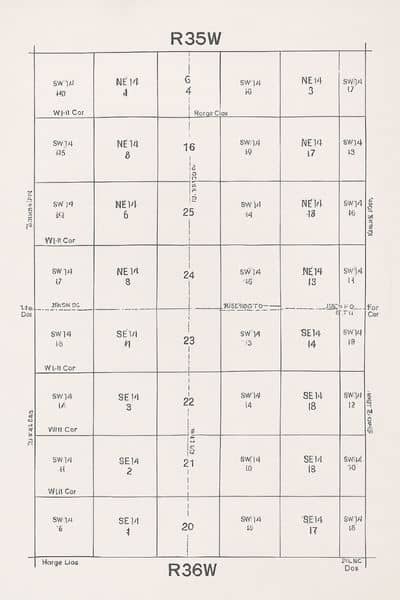
Illinois uses the Public Land Survey System (PLSS), a grid-based method that organizes land by township, range, and section. Most investors don’t think about PLSS when buying property, but they should. If the legal description doesn’t match the PLSS framework, problems occur.
For example, a description might say a lot sits in a certain section, but the actual measurements show something different. Sometimes the recorded documents do not match the current conditions on the ground. When this happens, surveyors must sort out the mix-ups, which can take time.
During due diligence, even a short delay can push a closing past a rate lock or loan deadline. Yet these PLSS-related issues happen quietly because there is no public reporting. Investors remain unaware until they face the consequences.
Why This Lack of Awareness Hurts Investors
When the news highlights a problem, people prepare for it. When a problem stays hidden, people let their guard down. That is exactly what happens with land surveying.
Deals feel safer than they really are. Without warnings, buyers believe the land under a building is simple and correct, even when it isn’t. Many lots have unclear corners, irregular shapes, or outdated descriptions.
Investors sometimes skip fresh surveys. Because nothing seems wrong, they reuse old documents. But old surveys may not reflect fences, additions, alley adjustments, or new encroachments.
Developers underestimate boundary risks. A small mistake on a tight Chicago parcel can shut down an entire project. Without awareness, developers assume everything is fine until they hit a wall.
Closings get delayed with no clear explanation. Survey delays look like normal paperwork issues, not land-related issues. This confuses buyers and strains relationships between all parties involved.
Surveying problems aren’t rare—they’re just quiet.
How Investors Can Protect Themselves Even Without News Alerts
Since the media won’t shine a light on surveying problems, investors must be proactive. Every smart investor should pay close attention to the land, not just the building.
Ordering a fresh survey is a simple and important step. Walking the property with the surveyor helps investors understand what they’re buying. Asking questions early can prevent trouble later. Developers planning additions, splits, or new builds need to dig deeper because even one small mistake can slow a project or stop it completely. That’s also why many investors choose to lean on professional surveying services, since having an experienced team involved from the start often reveals issues that aren’t obvious at first glance.
Investors should also learn the basics of how the PLSS system works in Illinois. Even a small amount of knowledge helps them read legal descriptions with more confidence. It also helps them catch early signs of problems, such as mismatched boundaries or confusing measurements.
Chicago Needs More Transparency Around Land Surveying
The lack of news creates an opportunity for professionals to step in. Surveying firms, engineers, and real estate experts can help investors by sharing more public information. Blog posts, case studies, neighborhood insights, and basic guides can make a big difference. When people understand the land beneath a deal, they make safer choices.
Investors should ask their teams—surveyors, attorneys, and agents—to talk openly about common surveying issues. Awareness reduces risk. Silence increases it.
Final Thoughts:
In Chicago, the biggest risk in land surveying isn’t a dramatic mistake. It’s the fact that mistakes rarely get any attention at all. The silence makes investors feel comfortable, even when hidden issues threaten their deals.
But with the right knowledge, investors stay ahead. They understand the land, the boundaries, and the systems beneath every parcel. They spot problems early and avoid costly surprises.
Chicago real estate rewards those who pay attention—not just to the buildings, but also to the land itself.
