
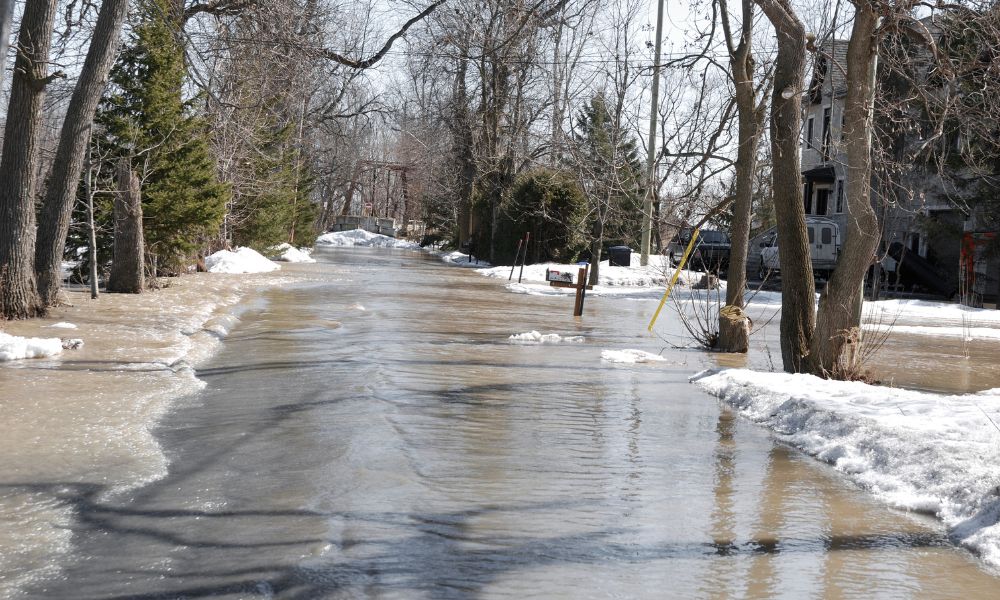
Every winter, Chicago prepares for snow, ice, and cold weather. Yet in recent years, winter has brought more than slippery roads and traffic delays. Across the city, water main breaks, flooded streets, cracked pavement, and sudden sinkholes now happen more often. These problems block roads, damage property, and create costly emergencies for both the city and private owners. Cold weather often gets the blame. Still, winter does not cause these failures alone. Instead, freezing temperatures reveal hidden problems underground. Beneath Chicago’s streets, sidewalks, parking lots, and buildings lies a mix of old utilities, soil layers, and past construction work. When winter pressure hits, weak spots finally appear. Because of this, many property owners now see the value of a construction survey. Instead of fixing damage after it happens, smart owners use surveying to find risks early and avoid costly repairs before winter arrives.
Chicago’s Winter Weather Is Revealing Hidden Infrastructure Problems
Each winter, local news shows flooded streets, closed roads, and emergency repairs across Chicago. Burst water mains spray water into the air. Pavement cracks open without warning. Sidewalks shift, and basements fill with water.
At first, these events seem sudden. Yet most failures start slowly underground. Over time, pipes rust, joints loosen, soil washes away, and empty spaces form. Then, when temperatures drop, frozen ground expands and shrinks. As a result, small weak points turn into major breaks.
Chicago’s old infrastructure adds to the problem. Much of the underground system is decades old. In many areas, records remain missing, outdated, or unclear. Because of this, property owners often have little idea what lies beneath their buildings or pavement.
This hidden risk explains why winter failures seem random. In fact, they follow patterns that proper surveying can reveal.
What Happens Beneath the Surface During Chicago Winters
As temperatures fall, soil freezes and expands. When warmer air returns, the ground thaws and shrinks. This constant movement puts stress on pipes, concrete, and buried structures. At the same time, leaking utilities slowly wash away soil that supports the ground above. Over time, this creates underground gaps that weaken pavement and foundations.
Many properties also contain old pipes, unknown repairs, and past digging areas. These zones often lack strong soil support. As a result, they face a higher risk of collapse during freeze-thaw cycles.
Water drainage plays a big role as well. Poor grading sends melting snow into the wrong areas. When this water freezes, pressure builds and cracks grow. In time, pavement and concrete fail.
Because all this happens below ground, owners often miss early warning signs. By the time damage appears, repairs become urgent and expensive. A construction survey helps uncover these problems before failure occurs.
Why Property Owners Face the Highest Risk
While damaged streets attract attention, private property often suffers more harm. Commercial buildings, parking lots, retail centers, warehouses, and apartment complexes all sit over buried utilities and weak soil.
For these owners, winter failures bring serious trouble. Parking lots may collapse or crack beyond repair. Flooded basements damage equipment, storage, and finished spaces. Emergency digging disrupts business activity and tenant access. In addition, broken pavement and icy water increase safety risks.
Emergency repairs also cost far more than planned improvements. Crews must act fast, often in bad weather. This raises labor and repair costs. At the same time, tenants and customers face delays, safety concerns, and business shutdowns.
Because of this, many owners now use construction surveying as a way to manage risk instead of only for new projects.
How a Construction Survey Helps Prevent Winter Failures

A construction survey gives clear site data that helps engineers, contractors, and owners understand current conditions. Instead of guessing, teams rely on exact measurements, elevation data, and utility maps.
Surveyors locate known underground utilities and point out areas where records remain unclear. This helps engineers design plans that avoid pipe conflicts and weak zones.
Survey data also shows how water moves across a site. Even small changes in slope can guide water away from buildings and pavement. Proper drainage reduces soil loss and freezing damage.
In addition, surveyors record surface heights and slopes. This helps find uneven settling and ground movement. When teams fix these issues early, they prevent cracks, shifting, and structural stress.
Simply put, a construction survey turns hidden risks into clear information. As a result, property owners can act before winter causes costly emergency repairs.
Real Chicago Scenarios Where Surveys Prevent Costly Repairs
Take a retail plaza that floods every winter. Each spring, crews patch pavement and clean drains. Still, water returns the next winter. A construction survey reveals small grading errors that send runoff toward the building. After crews fix the slopes, flooding stops.
Another common case involves parking lots. A hidden pipe leak slowly washes away soil. Over time, empty spaces form beneath the pavement. Then, one winter morning, a section collapses. A prior construction survey would have spotted early warning signs.
Apartment buildings also face basement flooding. Poor drainage directs melting snow toward foundation walls. When freezing weather returns, cracks grow. Survey data helps engineers redesign drainage paths and prevent repeat damage.
These examples show how early surveying saves time, money, and stress.
Why Winter Is the Best Time to Plan Survey Work
Many owners think winter stops planning. In truth, winter offers the best time to prepare.
Survey research, record review, and planning can happen all year. By scheduling early, property owners secure priority service before spring demand rises. They also gain time to design fixes instead of rushing during emergencies.
Winter planning also allows quick action when snow melts and damage appears. Instead of waiting weeks for survey help, owners already have site data ready.
As a result, winter becomes a time for preparation instead of delay.
Warning Signs Your Property May Need a Construction Survey
Some warning signs appear long before major failures. Property owners should watch for repeated pavement cracks, standing water after snow melts, uneven sidewalks, and repeat utility repairs in the same spots.
Basement moisture, sinking areas, and icy patches on pavement also point to drainage or underground problems. While these signs may seem small, they often signal deeper issues.
Early action prevents costly repairs and long-term damage.
Why Prevention Always Beats Emergency Repair
Emergency repairs disrupt daily work, increase costs, and create stress. Crews work quickly, often in harsh weather. This raises labor and material costs. Tenants and customers deal with safety risks and business interruptions.
Preventive surveying allows careful planning and steady improvements. Projects follow clear schedules and stable budgets. Most importantly, properties remain safe and usable all year.
In Chicago’s harsh winters, prevention offers the best protection.
Final Thoughts:
Chicago winters will always challenge infrastructure. Still, property owners no longer need to wait for damage before acting. A professional construction survey provides clarity, safety, and peace of mind.
By finding risks early, owners avoid emergency repairs, reduce liability, and protect property value. In a city where winter failures grow more common, preparation matters more than ever.
If your property shows warning signs or faces ongoing winter issues, now is the right time to schedule a construction survey and stay ahead of costly damage.
