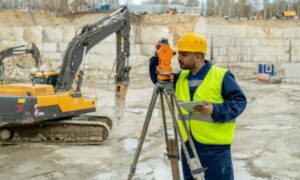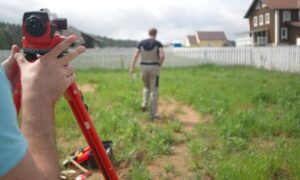
The March storm that swept through Chicago came down hard and fast. Streets filled with water, yards turned soft, and many homeowners saw water where it had never been before. At first, the focus is always on cleaning up. You check for damage, move things around, and think about repairs. However, the real issue often starts after the storm ends. It’s easy to look at your property and assume everything is the same. The grass is still there. The driveway still stands. Nothing looks too different. But water does not lie. When a storm hits this hard, it can quietly change how your property handles drainage. That’s why an elevation survey matters more than most people realize. Before you rebuild or file any claims, you need to understand what actually changed beneath the surface, especially when you’re trying to understand what’s happening on your property after a storm like this.
What the Storm May Have Changed Without You Noticing
After a major storm, your property may look normal at first glance. Still, the way water moves across your land can shift in subtle but important ways. A small change in height can send water in a completely new direction.
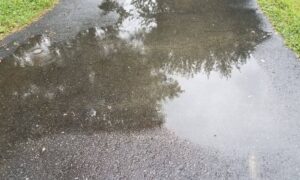
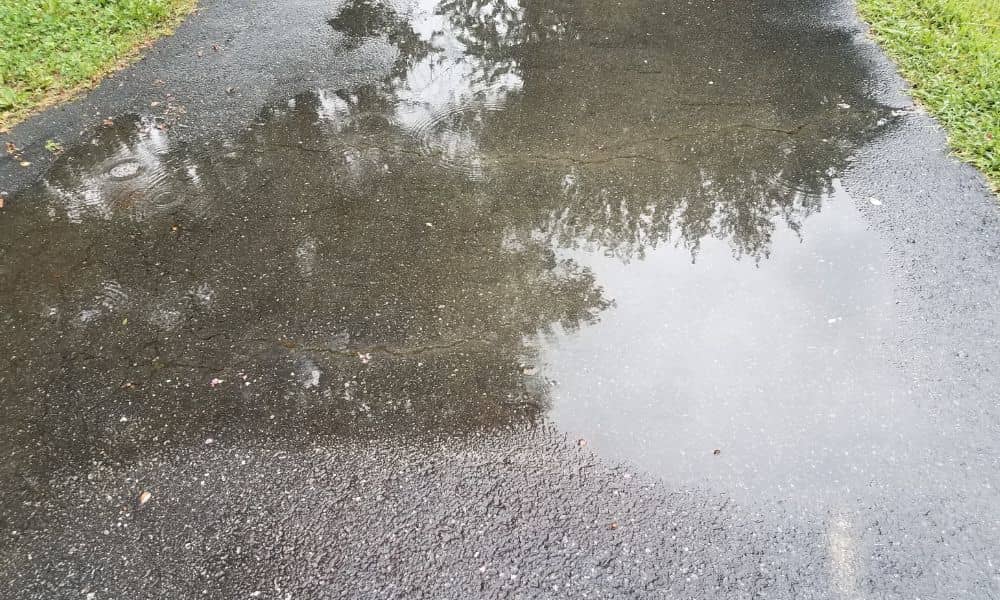
For example, you might notice water sitting in a part of your yard that used to stay dry. Or maybe runoff now flows toward your home instead of away from it. In some cases, soil can wash out just enough to change the slope near a driveway or foundation.
Even worse, these changes do not always show up right away. The ground may seem stable, but the next heavy rain could reveal new drainage problems. That’s why many homeowners feel confused. They fix what they see, yet the issue keeps coming back.
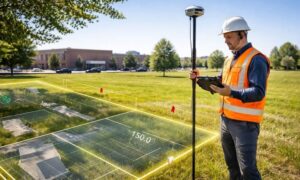
An elevation survey helps uncover these hidden shifts. It shows the true shape of your land, not just what your eyes can catch, making it easier to understand what an elevation survey can reveal about your property after a storm like this.
Why Jumping Into Repairs Can Cost You More
After dealing with storm damage, most people want to fix things quickly. That makes sense. You want your property back to normal as soon as possible.
However, acting too fast can lead to bigger problems.
If you start adding soil, replacing concrete, or adjusting grading without proper data, you are making decisions based on guesswork. At first, the fix may seem to work. But over time, water may return in a different way. It might pool somewhere else or flow toward a part of your home that was not affected before.
Because of that, many homeowners end up paying for the same repair twice.
Instead of rushing, it’s better to pause and understand the situation. An elevation survey gives you that clarity. It tells you exactly how your property sits and how water should move across it.
How an Elevation Survey Guides the Right Fix
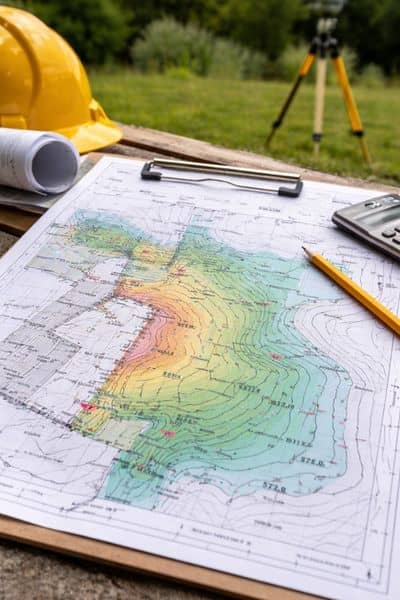
Once you know your property’s elevation, everything becomes easier to manage. You are no longer guessing where the problem is. You can see it in clear, measurable terms.
This makes a big difference when planning repairs. Whether you need to fix a patio, adjust grading, or improve drainage, the work can follow a clear direction.
For example, if water collects near your home, the survey can show why that happens. It may reveal a slight slope toward the structure or a low point that traps water. With that knowledge, you can correct the issue the right way the first time.
As a result, your repairs last longer. You avoid trial and error. Most importantly, you reduce the chance of the same problem returning after the next storm.
Why This Matters So Much in Chicago
Chicago properties come with their own set of challenges. Many homes sit close together, which means water does not stay in one place. It often moves from one property to another.
In addition, older neighborhoods may have drainage systems that no longer work as well as they once did. Some areas are very flat, so even a small change in elevation can affect how water flows.
Basements are also common in Chicago homes. Because of that, even minor drainage issues can lead to moisture problems or flooding below ground.
These local conditions make it even more important to understand your property after a storm. What works in other areas may not work here. An elevation survey helps you respond to these challenges with accurate information instead of assumptions.
Knowing When It’s Time to Take the Next Step
After a storm like the one Chicago just experienced, certain signs should not be ignored. If water starts behaving differently on your property, that is a clear signal that something has changed.
You might see water pooling in new areas or notice that parts of your yard stay wet longer than before. Maybe you are planning repairs, or you’ve already started thinking about regrading or improving drainage.
In these situations, getting an elevation survey early can save you from costly mistakes later. It allows you to move forward with confidence instead of uncertainty.
What Happens When You Skip This Process
It may seem easier to move ahead without taking this extra step. After all, a quick fix feels faster and more convenient.
However, skipping an elevation survey often leads to frustration. Repairs may not solve the problem, and water issues can return with the next heavy rain. In some cases, changes to your property can even affect neighboring lots, which may lead to disputes.
Over time, these problems can add up. What started as a simple repair turns into a cycle of fixes that never fully solve the issue.
That’s why taking the time to understand your property first is so important.
Before You Rebuild, Understand Your Property First
The March storm may be over, but its impact can last much longer than expected. Even if your property looks fine today, the way it handles water may have changed.
Before you move forward with repairs or file any claims, it’s worth taking a closer look. An elevation survey gives you the insight you need to make the right decisions from the start.
Instead of reacting to problems, you can prevent them.
In the end, that simple step can save you time, money, and stress.