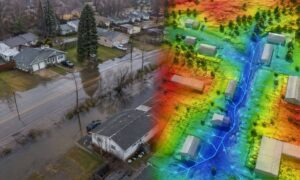

A recent 36-acre land sale in the Chicago area caught a lot of attention. Large parcels like this do not hit the market often, especially in a region where land gets divided and redeveloped over time. Naturally, investors, developers, and lenders are watching closely. However, once headlines fade, the real work begins. Before any major property deal closes, buyers must complete due diligence. In transactions this size, one document quickly moves to the top of the list: an alta land survey. Without it, the closing process can slow down—or even stall completely.
Big Land Deals Come With Big Responsibility
When someone buys a 36-acre property, they are not just purchasing dirt. They are buying boundaries, access rights, legal descriptions, and recorded history. Every one of those details must match what appears in the contract and title documents.
At first glance, the property may look straightforward. Yet, large parcels often come with complex ownership histories. Over time, owners may have divided, combined, or adjusted parts of the land. As a result, what appears on paper may not fully reflect current field conditions.
That is exactly where an alta land survey plays a critical role.
Unlike a basic property survey, this type of survey reviews title records alongside field measurements. It confirms that legal descriptions align with physical boundaries. More importantly, it gives everyone involved in the deal a shared understanding of what is actually being purchased.
The Clock Starts Ticking After the Contract
Many buyers believe that once they sign a purchase agreement, the hardest part is over. In reality, the due diligence period can determine whether the deal succeeds.
Most commercial contracts include a survey review window. During that time, the buyer must order and review an alta land survey. If the survey reveals issues, the buyer must raise objections before the deadline expires.
Therefore, timing becomes critical.
If the survey takes longer than expected, the review period shrinks. If buyers fail to object in time, they may lose leverage. In a deal involving 36 acres, that can create serious financial risk.
For that reason, experienced buyers order the alta land survey immediately after signing.
Large Parcels Take Longer to Survey
A 36-acre site requires more than a quick field visit. Surveyors must walk the property, locate boundary corners, and verify recorded information. In addition, they must review county records, historical plats, and prior deeds.
Chicago and Cook County have long property histories. Consequently, surveyors often research decades of documentation to ensure accuracy. That work takes time, especially when the land includes multiple parcel numbers or prior subdivisions.
Meanwhile, lenders wait for confirmation before releasing funds. Attorneys wait for survey results before finalizing documents. Developers wait for clarity before making design decisions.
Because of this chain reaction, the alta land survey often sets the pace for closing.
Survey Objections Can Change the Deal
Once the survey comes back, buyers review it carefully. If they discover concerns, they submit formal survey objections to the seller.
This stage often surprises first-time investors.
For example, the survey might reveal a recorded access agreement that limits part of the property. It might show boundary discrepancies between recorded and measured lines. It might uncover previously combined parcels that require updated legal descriptions.
At that point, negotiations begin.
The seller may agree to fix the issue. The buyer may request a price adjustment. Both parties may agree to extend the closing date. In some cases, they restructure parts of the agreement.
Without an alta land survey, these conversations would happen after closing—which creates far more stress and cost.
Instead, the survey keeps negotiations inside the due diligence window, where buyers still have options.
Lenders Require Certification Before Funding
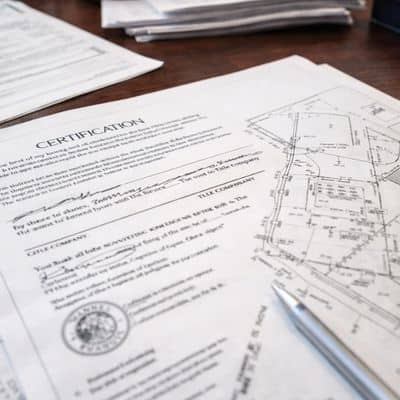
Even after objections get resolved, one final step remains.
Lenders typically require the alta land survey to carry proper certification. That certification must list specific parties, such as the buyer, the lender, and sometimes the title company.
Moreover, the survey must reflect the final title commitment. If the title company updates legal descriptions or records new documents, the survey may need revision before certification.
Until that happens, funding cannot move forward.
In other words, the alta land survey does not just support the transaction—it unlocks it.
Why This Matters Beyond One Sale
Although this 36-acre land sale makes headlines, similar processes happen every day across Chicago. Smaller commercial properties follow the same structure, just on a different scale.
However, larger parcels magnify every detail.
For instance, boundary alignment across dozens of acres requires precise coordination. Parcel consolidation often demands updated descriptions. Multi-phase development plans rely on accurate survey data from the beginning.
Therefore, buyers who treat the survey as an afterthought often face delays.
On the other hand, buyers who prioritize the alta land survey early tend to close more smoothly.
What Smart Buyers Do Differently
Experienced investors understand one key truth: closing does not move faster than the survey process.
Because of that, they:
- Order the alta land survey immediately.
- Share title commitments with the surveyor early.
- Align survey deadlines with contract milestones.
- Avoid scheduling closing dates before survey review finishes.
These steps may sound simple. However, they prevent last-minute pressure that can derail a deal.
Especially in Chicago’s competitive market, preparation makes a major difference.
The Bigger Picture
When a rare 36-acre property changes hands, the public sees opportunity. Developers see potential projects. Investors see long-term value.
Yet behind the scenes, professionals focus on clarity.
An alta land survey provides that clarity. It confirms boundaries. It aligns legal records with physical reality. It gives buyers the information they need before money transfers and ownership changes.
Without it, even the most promising deal can slow down.
With it, parties move forward with confidence.
Final Thoughts
Chicago’s recent 36-acre land sale highlights more than just a real estate opportunity. It shows how critical due diligence becomes in large transactions.
An alta land survey does more than draw lines on a map. It shapes timelines, supports negotiations, and satisfies lender requirements. Most importantly, it helps buyers close with certainty.
Whether someone purchases 36 acres or a smaller commercial lot, the principle remains the same: clarity before closing protects everyone involved.
And in Chicago, clarity starts with the right survey.