Chicago homes often sit on tight lots. You walk down a slim side path. You park in a garage off the alley. It all feels pretty normal at first. Still, small spaces can hide real problems.
That’s where working with a land survey company in Chicago starts to make sense. Instead of just marking lines, they look at how the space actually works day to day. They check access, layout, and how everything fits together before problems show up.
Why Chicago Lots Need a Closer Look
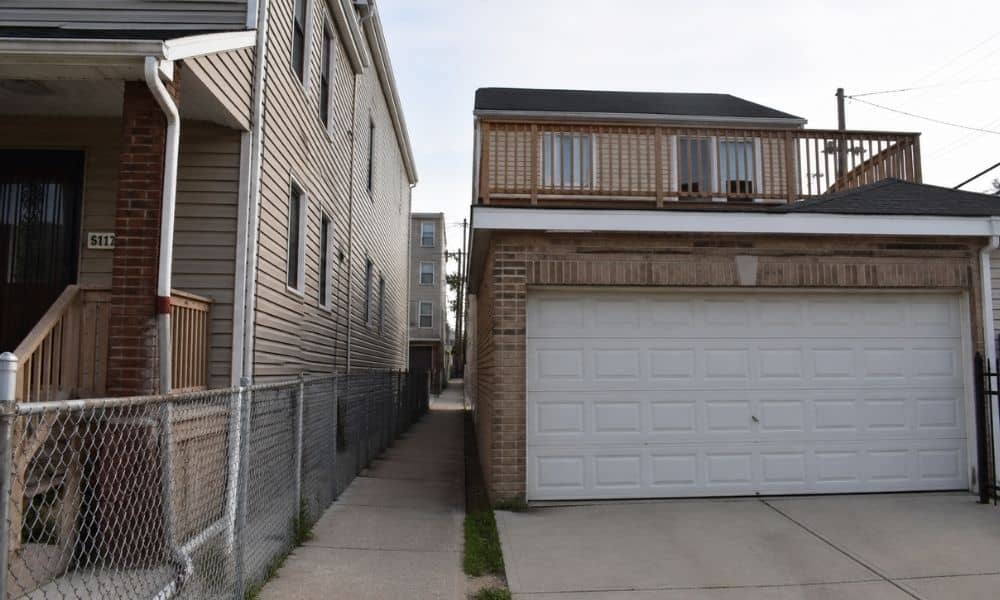
Many city lots measure about 25 feet wide. Houses sit close together. Side paths, called gangways, run between homes. Garages sit in the back with alley entry.
At first glance, everything looks fine. Tight spacing leaves little room for error. A few inches can change how you move around your property.
So, surveyors focus on how you use the space, not just how it looks on paper.
Usable Space Isn’t Always What You Expect
You may see a listing that shows a full lot size. That number sounds good. Still, not all that space feels usable.
Walls sit close to property edges. Stairs or units may stick out. Fences can cut into space. As a result, your walkway or side yard feels tighter than expected.
A surveyor measures the real open space you can use. This helps you plan simple things like moving furniture, setting trash bins, or walking between houses.
Without this check, buyers often assume they have more room than they do.
Gangways Can Limit Movement
Chicago gangways matter. They provide access from the front to the back of the lot.
Yet, many gangways feel tight. Some have uneven ground. Others have objects that block the path.
A surveyor checks the clear width of that path. They also look at anything that sticks into it. For example, steps, pipes, or units can reduce space.
This matters if you plan any exterior work. Workers need space to move. Materials need a clear path.
If the gangway is too tight, work becomes harder and more costly.
Alley Access Must Work in Real Life
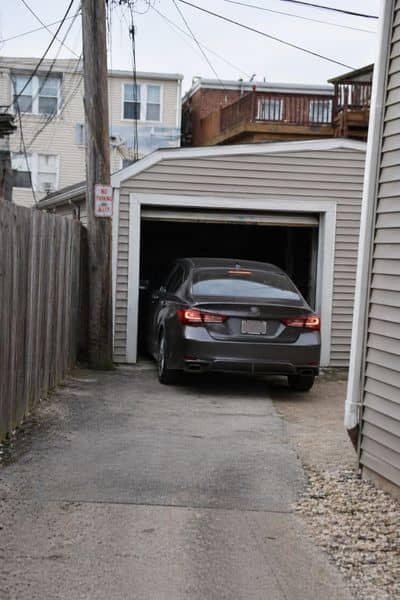
Most Chicago homes rely on alley access for parking. You turn off the alley and drive into a garage behind the house.
Still, not all alley access works well.
A surveyor checks the angle of entry. They also check how much space you have to turn. In some cases, the garage sits at a slight angle. That makes parking harder, especially with larger vehicles.
For example, a garage might look centered from the alley, but once measured, you may find it sits tighter on one side, which makes parking harder than expected.
They also check if anything blocks the path. Even a small shift in placement can affect how you enter or exit.
The goal is simple. Make sure you can use the garage without stress every day.
Tight Spacing Changes How Structures Feel
On narrow lots, every structure affects your space.
A small staircase can take up more room than you expect. An outdoor unit can make a path feel crowded. Even a simple wall extension can change how you move around.
A surveyor looks at how these elements sit on the lot. They don’t focus on design. Instead, they focus on how these structures affect your daily use.
That’s what most people miss. It’s not about how things look. It’s about how they feel when you live there.
Older Blocks Don’t Always Line Up
Chicago has many older neighborhoods. Over time, homes shift slightly in placement. Streets change. Lots get divided.
So, not every house lines up the same way.
You may notice one home sits a bit closer to the edge. Another may sit slightly back. These small shifts create uneven gaps between homes.
Surveyors check these patterns. They compare structures across nearby lots. This helps explain why your space feels tighter or wider than expected.
It also helps you avoid surprises when planning any changes.
Garages Need the Right Fit
Rear garages are common in Chicago. They offer great value. Still, not every garage works well.
A surveyor checks the space around the garage. They look at how wide the entry is. They also check how much room you have to open doors or move around.
In some cases, the garage sits too close to one side. That makes parking tricky. You may need to adjust how you enter or exit.
These details matter every day. So, it’s better to know them early.
Small Limits Add Up Over Time
On a wide suburban lot, small issues don’t matter much. On a narrow Chicago lot, they add up fast.
A tight gangway affects access. A narrow entry affects parking. A slight shift in layout affects how you use your yard.
Individually, these seem minor. Together, they shape how the property works.
A surveyor sees the full picture. They connect these small details and show how they affect your space.
When to Call a Land Survey Company
Timing matters. It’s better to get clear answers before you make any big decisions, especially if you’re buying an older home.
If you’re planning to buy, make changes outside, rely on alley parking, or use side access often, it’s worth getting a property survey before you buy.
Getting clear information early saves time and cuts down on stress. It also helps you avoid wrong assumptions before they turn into bigger problems.
Final Thoughts
Chicago lots may look simple. In reality, they need a closer look.
Space can feel tighter than expected. Access can be harder than it seems. Layouts don’t always match what you see on paper.
A land survey company helps you understand how your property actually works day to day. If you’re dealing with a tight lot, getting a survey early can save you from costly surprises later.