Home renovations bring excitement—new designs, better spaces, and upgrades you’ve been dreaming of. In Chicago, many homeowners in flood-prone areas forget about one important detail: how the work might affect their elevation certificate. This document is more than a form—it can change your flood insurance costs, help with permits, and affect your home’s value.
What an Elevation Certificate Shows
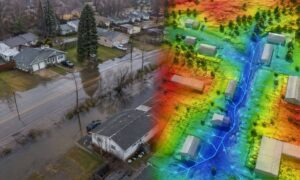
An elevation certificate is a FEMA document that measures your property’s height compared to the base flood level in your area. It lists the height of the lowest floor, the flood zone, and details about the structure, such as flood openings.
Most people in Chicago think about an elevation certificate only when buying or selling a home. But major changes to your property can also change what the certificate shows, especially if you live near the Chicago River, Lake Michigan shoreline, or other flood-risk areas.
Renovations That Can Change an Elevation Certificate
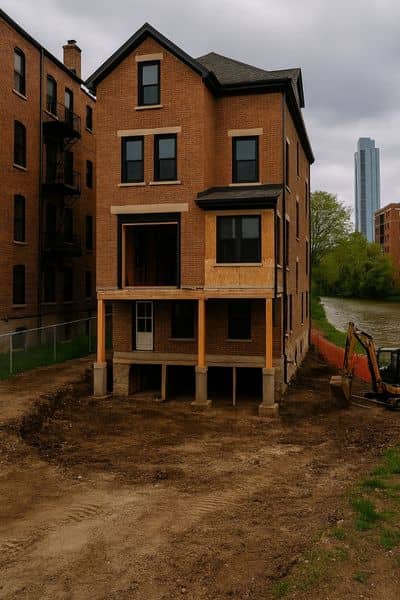
Some projects will not affect your elevation certificate. Others can—especially if they change the building’s structure or the way water moves around your property.
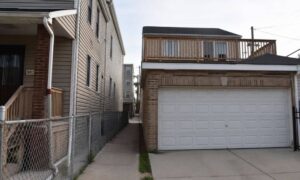
For example, adding a new level, building an attached garage, or changing the foundation can raise or lower the lowest floor height. Likewise, regrading the land to improve drainage or enclosing space below the base flood level can alter the details on your certificate. In Chicago, even small elevation changes can matter in neighborhoods with older infrastructure or close to flood-prone zones.
Renovations That Won’t Change It
Cosmetic updates—like painting, replacing the roof, upgrading windows, or redoing a kitchen—will not change the numbers on your elevation certificate.
Even so, smaller projects can have unexpected effects. Landscaping that changes the slope of your yard, for instance, could affect water flow and flood risk. That’s why checking with a professional before starting is smart, especially in Chicago’s dense urban neighborhoods where drainage patterns are already complex.
Why This Matters in Chicago
Your elevation certificate can affect your flood insurance rates. If renovations change your home’s elevation details, your rates could go up or down.
Chicago’s building codes and local permitting rules may also require an updated certificate after certain projects. Without it, you might face delays in getting permits or problems when selling your property. In a competitive market like Chicago, having up-to-date flood and elevation information can give buyers confidence.
How to Avoid Problems
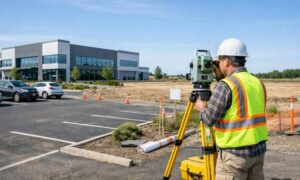
Before starting major renovations, it’s smart to speak with a licensed land surveyor in Chicago. They can quickly tell you if your project might affect your elevation certificate. You should also check with the city’s building department. In many areas of Chicago, changes to the foundation or building size require an update.
Let your insurance company know about big changes so your coverage stays accurate and compliant with FEMA guidelines.
Final Thoughts
Renovations can improve your home, but they can also change your flood risk. An elevation certificate is a record of how your property sits in relation to flood levels, and certain changes can alter that record.
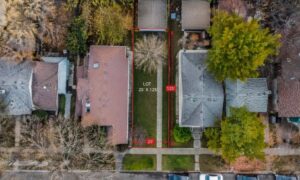
By planning ahead, getting the right advice, and working with experienced Chicago professionals, you can complete your project without surprises. For a deeper look at property documentation in Illinois, explore our ALTA survey services.
FAQs
1. Do I need a new elevation certificate after every renovation?
No. You only need a new elevation certificate if the renovation changes your home’s structure or elevation, such as adding a new level, altering the foundation, or regrading the land.
2. Will my flood insurance change if I update my elevation certificate?
Yes, it can. If your renovation lowers your flood risk, your premiums might drop. If it increases your risk, your rates could go up.
3. Who should I contact in Chicago before starting renovations?
Start with a licensed land surveyor familiar with Chicago building codes. You should also check with the city’s building department to see if your project requires an updated elevation certificate.
4. Can landscaping affect my elevation certificate?
Yes. While planting flowers won’t change anything, regrading your yard or altering drainage can change how floodwater moves, which may affect your certificate.
5. How long does it take to get a new elevation certificate in Chicago?
It depends on the surveyor’s schedule and the project’s complexity, but it usually takes a few days to a couple of weeks.