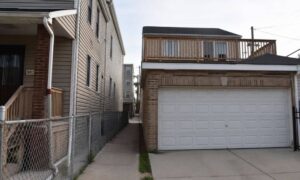

Chicago recently made a big housing move. On September 26, 2025, the City Council approved a major expansion of Accessory Dwelling Units (ADUs). These small homes—like coach houses, basement apartments, and attic units—are now allowed across more neighborhoods. The decision is expected to spark a wave of new building applications. But here’s the thing: before you draw up blueprints or hire a contractor, you’ll need a property survey. Without it, your ADU dreams can stall before they even reach the city’s intake desk.
Why the ADU Expansion Matters
For years, Chicago limited where homeowners could add ADUs. Pilot zones existed, but many residents couldn’t take part. Now, the new rules open the door wider, giving more families and investors a chance to create extra housing units.
It’s a big deal because coach houses and basement units help with two big issues—affordability and space. Families can use them for older relatives, young adults, or even as rental income. Plus, the city gets more housing without tearing down blocks or starting massive developments.
Still, rules vary ward by ward. Some alderpersons can restrict ADUs in single-family areas, which makes the process a little tricky. That’s exactly where a survey comes in—because it defines what you can build and where.
Why a Property Survey Is Step One
Think of a property survey as the foundation of your ADU project. The City of Chicago requires a current, sealed survey whenever you apply for a building permit. This isn’t optional. If you skip it, your application will get rejected.
A survey lays out the facts:
- Exact lot dimensions.
- Locations of existing structures.
- Easements for utilities or alleys.
- Setback lines that define your buildable area.
For a coach house, this information is gold. You’ll know if your backyard has enough room or if an easement cuts into the space. For a basement ADU, the survey shows if your entryway and setbacks meet code. And for an attic unit, it helps confirm the footprint and access routes.
With those details on paper, architects can design within limits. Contractors can plan without surprises. And most importantly, city reviewers can stamp “approved” instead of sending you back to square one.
What the Survey Reveals
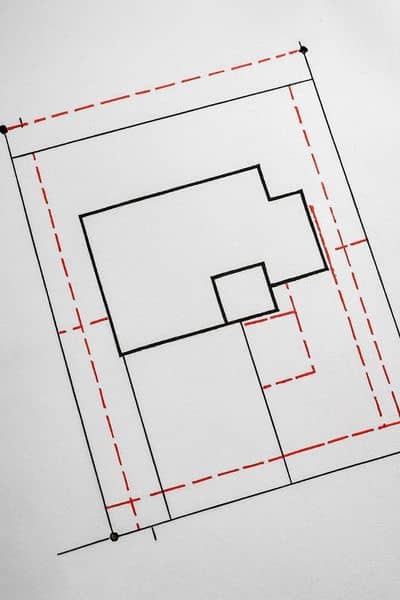
Here’s how the right survey shapes your project:
Setbacks. Every neighborhood has setback rules—how far a structure must sit from property lines. A survey measures this precisely. For example, if you want to tuck a coach house in your backyard, the survey tells you if it clears the required buffer.
Easements. Many lots have utility or alley easements. These can block buildings if ignored. A property survey marks them clearly, saving you from designing a unit that violates city rights-of-way.
Encroachments. Over time, porches, stairs, and fences sometimes spill past lot lines. A survey exposes these encroachments. You can address them before adding another unit, rather than running into disputes later.
Parking and Access. ADUs often need to prove access from alleys or show parking compliance. A survey includes alley widths, driveway placement, and available space. These details can make or break your permit.
Ward-by-Ward Rules
One of the trickiest parts of the ADU expansion is alderperson control. Some wards allow ADUs freely; others keep limits in place, especially in single-family zones.
Let’s say you live in Lakeview. Your alderperson might allow coach houses with only minor restrictions. But if you’re in Beverly, the same project could face tighter rules. A property survey won’t change politics, but it gives you the documentation to show where your lot stands. That clarity helps when you ask questions at ward offices or sit down with architects.
Why Small Projects Need Big Precision
Not every ADU is a high-end investment. In fact, many new units will rise on the South Side, close to the Obama Presidential Center, where affordability is a top concern. For these projects, budgets are tight, and delays hurt more.
A survey keeps small infill projects on track. It prevents wasted money on designs that don’t fit setbacks or encroach on easements. It ensures construction can start without last-minute revisions. And it levels the playing field for homeowners who can’t afford endless rounds of resubmittals.
Think of it this way: spending upfront on a property survey saves far more than losing weeks to permit rejections.
Preparing for Your ADU
If you’re ready to move forward, here’s how to prepare:
- Hire a licensed surveyor. Not just any professional—someone who knows codes and permits intake standards.
- Order early. Surveys should be current within 6–12 months of filing. Starting early avoids rushed timelines.
- Ask for extras. Request clear callouts of easements, setbacks, and alley dimensions. These details help architects and contractors from day one.
- Keep copies handy. A sealed original plus digital scans will serve your lender, architect, and the Department of Buildings.
Final Thought
Chicago’s ADU expansion is an exciting chance to unlock space and create housing across the city. Whether you’re dreaming of a coach house or a basement apartment, every project begins the same way—with a property survey.
A good survey is more than a map; it’s the document that proves your idea fits the rules, clears the permit desk, and can actually move forward. That’s why so many homeowners turn to land survey services when starting an ADU project. With the right survey in hand, you can step into the process confident that your design, budget, and timeline all rest on solid ground.