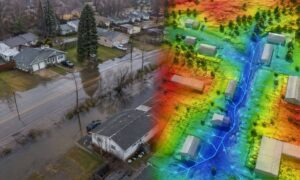

Developers today have more digital tools than ever. In Chicago, anyone can open a parcel viewer, zoom into a neighborhood, and see property outlines in seconds. These maps show lot shapes, nearby buildings, and sometimes zoning details. Because of that, many people believe these maps show the exact property boundaries. However, online parcel maps do not always match the real world. Recently, people shared examples online where digital maps showed buildings overlapping or property lines crossing in strange ways. Situations like this show an important truth: digital maps help with research, but they cannot replace the accuracy of an ALTA Land Survey.
For developers, that difference matters. When large investments depend on correct land data, the safest step is to start with a verified survey.
The Rise of Digital Parcel Maps
Chicago and Cook County offer parcel mapping systems online. Developers, brokers, architects, and investors often use these tools during early property research. After all, they give quick access to information that once required visits to public offices.
With a few clicks, users can see:
- parcel outlines
- rough lot sizes
- nearby streets and alleys
- surrounding buildings
Naturally, these maps help developers picture possible projects. A team can quickly review how a property fits within the area around it. Because of that convenience, many developers rely on these tools when studying possible sites.
Still, these maps serve a specific purpose. They help people see general land patterns, not confirm exact legal boundaries.
Why Parcel Maps Are Not Exact
Digital parcel maps use many sources of data. Mapping systems combine tax records, old plats, and digital drawings. In some cases, workers trace these lines from old paper records and turn them into digital shapes.
Because of that process, the lines on the screen show estimates instead of field measurements.
Over time, several factors can also affect accuracy. Property records change. Land gets divided or combined. New roads or infrastructure can also affect lot shapes. When mapping systems update slowly, the digital layer may not reflect current conditions.
So the map you see online may look precise even when it does not match the real property.
That difference may not matter during early research. However, once a developer moves toward design and financing, every boundary must be correct.
When Digital Maps Create Confusion
Many development teams later learn that parcel maps tell only part of the story. For example, a digital map may show a clean rectangular parcel. Yet the real property may follow older subdivision lines that differ from the digital outline.
In other cases, past planning decisions affect how land appears today. Chicago neighborhoods developed over many decades. Streets changed. Alleys appeared or disappeared. Properties passed through many owners, and each left records that shape today’s boundaries.
Because of these changes, digital maps can create confusion about the true shape of a parcel.
When that happens, developers must turn to a more reliable source of information.
How an ALTA Land Survey Confirms the Truth
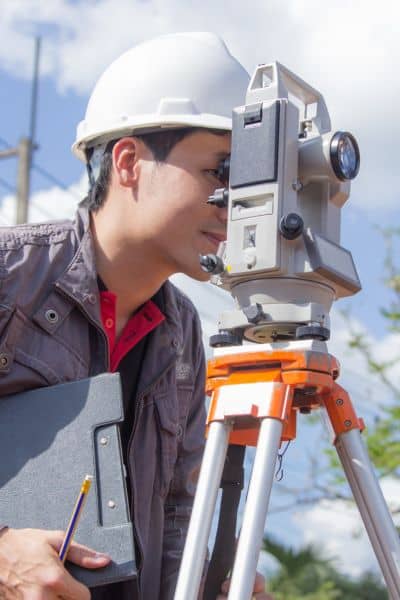
An ALTA Land Survey provides that reliability. Surveyors start by studying legal documents tied to the property. These documents include deeds, plats, and title records that describe the land.
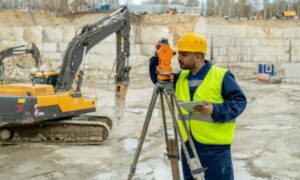
Next, surveyors visit the site and take careful field measurements. They locate boundary markers and confirm the position of physical features across the property.
Then they combine the legal research and field data into one accurate map. This is the kind of detailed work developers expect when they order ALTA land survey services for a commercial project.
Because of this process, an ALTA Land Survey shows the true relationship between the legal description and the physical land. Developers can see exactly where the property begins and ends. They can also understand how the site fits within the surrounding area.
For projects that involve large budgets and long timelines, this clarity becomes very important.
Why Accurate Boundaries Matter for Planning
Development projects depend on reliable land data. Architects, engineers, and planners rely on accurate measurements before they design a project.
For example, designers must know where structures can safely fit within the property limits. Engineers must understand the space available for access, circulation, and site features. Even small changes in boundary locations can affect how a site plan works.
Because of this, developers often rely on an ALTA Land Survey to guide the planning process. With verified boundaries, project teams can design with confidence.
Clear survey data also improves teamwork between professionals. Everyone works from the same accurate map. As a result, teams reduce confusion during design and review.
Why Chicago’s Land History Makes Surveys Important
Chicago has a complex urban landscape. Many neighborhoods grew through subdivisions that date back more than a century. Over time, redevelopment and infrastructure changes reshaped many areas.
Because of that history, modern parcels often reflect layers of older planning decisions.
For example, some areas contain narrow lots created during early city growth. Other neighborhoods include irregular shapes formed through later redevelopment projects. Alley systems, rail corridors, and riverfront improvements also shaped how land divides across the city.
When developers review these properties, they must confirm how historic records match today’s landscape.
An ALTA Land Survey helps bridge that gap. By combining legal records with modern measurements, the survey explains how historic boundaries connect to current conditions.
When Developers Should Order an ALTA Land Survey
Developers often request an ALTA Land Survey early in the planning process. This allows project teams to work with verified information from the start.
For example, developers may order a survey when they:
- review land for a new project
- begin site planning with architects and engineers
- prepare documents for commercial property transactions
- confirm property limits before making major design decisions
By ordering the survey early, developers gain a clear picture of the land before spending large amounts of time and money on planning.
Reliable Development Starts With Accurate Land Data
Digital parcel maps changed how developers explore possible properties. These tools give quick insight into neighborhoods and help teams review opportunities faster.
However, these maps work only as visual guides. They cannot confirm the legal reality of a property.
For that reason, developers still rely on an ALTA Land Survey when accuracy truly matters. By verifying boundaries through legal research and field measurements, the survey creates a reliable foundation for planning, design, and investment.
In a city where land has a long and complex history, that level of certainty often comes from working with trusted Chicago land surveyors who understand how historic records and real-world site conditions connect.