Buying a home is a major investment. Before you sign final documents, a home survey gives you a clearer picture of exactly what you are purchasing. Many buyers know to schedule a home inspection. Fewer know what a home survey actually covers, or what to ask when the results come back. This article breaks down the five questions developers and buyers ask most often before closing, so you can move forward with confidence.
Can the Survey Reveal Problems That a Home Inspection Might Miss?
Yes. A home survey and a home inspection are two separate things. They do not overlap.
A home inspection looks at the physical condition of a structure. It covers the roof, plumbing, electrical systems, and other components inside the building.
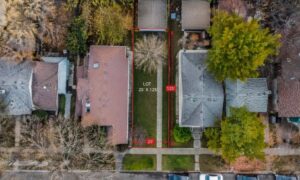
A home survey focuses on the land itself. It documents lot dimensions, boundary lines, and the location of structures on the property. It also identifies how improvements sit relative to those lines.
Here is what a survey can catch that an inspection will not:
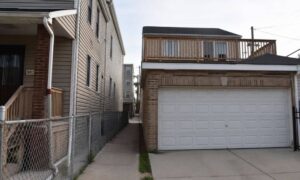
- A garage or fence built over a property line
- A shared driveway or access easement that runs through the lot
- Structures that sit too close to the required setback from a neighboring property
- Encroachments from a neighboring property onto the lot being purchased
In Chicago and the surrounding Cook County area, lot lines in older neighborhoods are not always where sellers believe them to be. A survey puts exact measurements on record. That matters when you are making a purchase decision or planning future improvements.
Should I Compare an Older Survey With a Newly Ordered One?
Comparing surveys from different time periods is worth doing. Properties change over time. Structures get added. Others get removed. Lot conditions shift.
If a seller provides a survey completed 10 or 15 years ago, that document reflects what the property looked like at that time. It does not show what was built, altered, or removed since then.
A new survey ordered at the time of purchase will reflect current conditions. When you place the two side by side, you may notice:
- A deck or addition that appears on the new survey but not the old one
- A structure from the old survey that no longer exists
- Changed access points or new utility lines
- A driveway or walkway that has expanded
In Illinois, title companies often accept older surveys if the seller signs an affidavit stating no changes were made. However, that affidavit does not protect you as the buyer if something turns out to be incorrect. Requesting a current survey is a reasonable step, especially on properties with older improvements.
What Survey Findings Could Delay or Complicate My Closing?
Not all survey findings stop a closing. But some require resolution before a title company can issue a clear title policy.
Common situations that may slow things down include:
- Undocumented additions. A finished basement, rear addition, or garage that was built without permits may not match the legal description on file. This can create questions about what the buyer is legally purchasing.
- Encroachments. If a fence or structure crosses onto a neighboring property, both parties typically need to address it before closing. Options include removing the encroachment, negotiating an easement, or adjusting the boundary line through a formal agreement.
- Easement conflicts. If a utility easement runs through a portion of the lot, and a structure has been built within that easement, the title company may require resolution.
- Discrepancies in legal descriptions. If the legal description in the purchase contract does not match the boundaries shown on the survey, the discrepancy needs to be corrected.
In the Chicago metro area, properties in older neighborhoods like Lincoln Square, Bridgeport, and Pilsen sometimes have improvements built under older codes that may not align with current records. Reviewing the survey early in the transaction gives all parties time to address findings before closing day.
How Do Survey Results Affect My Future Plans for the Property?
If you plan to make improvements after closing, the survey is your starting point. It shows exactly how much usable space you have and where the boundaries sit.
Chicago has zoning rules and setback requirements that vary by neighborhood and zoning classification. A setback is the required distance between a structure and a property line. Before you plan a project, you need to know:
- How close existing structures already sit to the lot lines
- How much yard space remains within the buildable area
- Whether any easements restrict construction in certain zones of the lot
Common improvements that require this information include:
- Adding a detached garage or expanding an existing one
- Building a deck or patio near the rear lot line
- Installing a pool or accessory structure
- Adding an accessory dwelling unit, which Chicago permits in some zoning categories
Without survey data, it is easy to plan an improvement that violates setback rules or an easement. The city of Chicago requires permits for most structural additions, and the survey is often part of the documentation you submit.
What Questions Should I Ask the Surveyor Before Signing Final Documents?
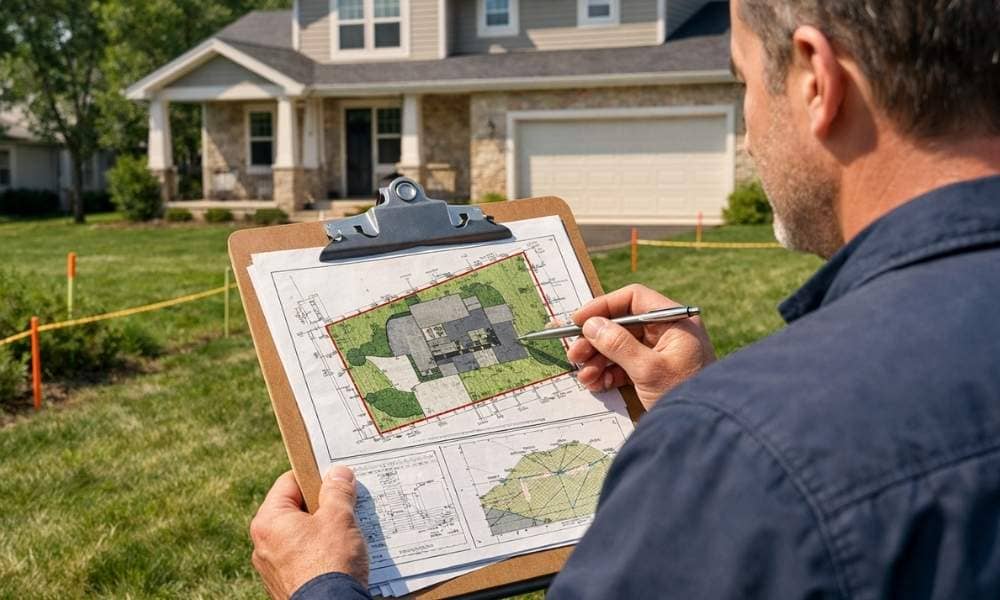
Once you receive the survey, review it carefully. If anything is unclear, ask before closing. Here is a practical checklist of questions to bring to your surveyor:
About the survey itself:
- What type of survey was completed, and what does it cover?
- Are there any areas of the property that were not surveyed?
- How were boundary lines determined?
About markings and symbols:
- What do the notations or symbols on the drawing mean?
- Are there any easements shown, and where are they located on the lot?
- Are there any encroachments from neighboring properties?
About conditions noted in the survey:
- Were any structures found near or over property lines?
- Did you observe anything on site that was not documented in prior records?
- Are there any findings that may require follow-up from another professional?
About limitations:
- Is there anything this survey does not address that I should look into separately?
- If I plan to build in the rear yard, are there any restrictions I should be aware of?
Getting clear answers to these questions before signing protects you from surprises after the transaction closes.