Chicago moves fast. Buses pull in and out of tight stops, thousands of people spill onto sidewalks after each CTA train, and traffic patterns shift from one block to the next. Because of this constant motion, the city needs tools that can keep up. That’s where lidar mapping steps in. And thanks to a new breakthrough involving autonomous RoboBus technology, lidar is about to become even more powerful—especially for busy streets.
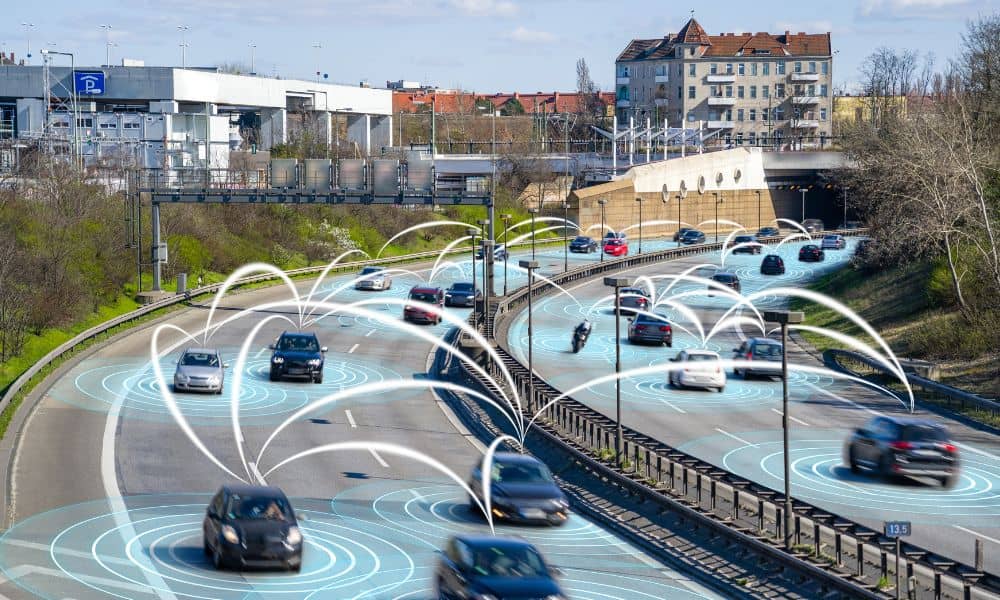
A recent partnership between RoboSense and PIX Moving introduced “RoboBus” and “RoboShop,” two autonomous vehicles loaded with five synchronized lidar sensors. Each one scans in every direction and builds a live 3D picture of the environment. This tech wasn’t designed only for self-driving—it also shows how cities like Chicago can use moving lidar systems to understand street activity in real time.
Right now, Chicago relies on static lidar datasets and traditional surveys. These are helpful for planning big projects, but they don’t capture what actually happens throughout the day—like crowds growing at rush hour, delivery trucks blocking sight lines, or sudden changes caused by construction. RoboBus-style lidar brings something new: a way to map streets as they change, not just how they look once.
A New Way to See Chicago’s Transit Corridors

Lidar from a moving vehicle works like a rolling scanner. As the bus drives, it collects millions of data points each second. It spots small details: a tilted curb ramp, a puddle forming near a stop, or a temporary barrier sitting too close to a crosswalk. With five sensors working together, the data becomes incredibly detailed and less likely to miss blind spots.
This matters for Chicago because so many of its streets behave differently throughout the day. Take the Loop, for example. In the morning, sidewalks fill with office workers. By noon, delivery vans crowd the alleys. Late at night, ride-share pickups change the pace again. A fixed scan taken weeks earlier doesn’t show any of this.
A moving lidar platform can. It creates a “living” digital model of the city—one that keeps updating as the bus runs its normal route.
Why Moving Lidar Helps Busy Streets
Chicago has dozens of corridors where conditions shift quickly, especially around CTA stations and busy bus routes. Those changes often create safety risks that don’t show up on standard maps.
With RoboBus-style lidar, planners can finally see:
- Pedestrian waves that spill into bike lanes or crossing points at certain times of the day.
- Hidden conflict zones caused by temporary obstacles like delivery trucks or construction cones.
- Bus slowdown spots created by tight turns, small pavement dips, or mid-block crowding.
- Changing curbside behavior, including rideshare pickups and drop-offs that clog traffic and block visibility.
These insights build a fuller picture of how Chicago streets work—not just in theory, but in real daily life.
Turning Ordinary Buses Into Mapping Machines
One of the most exciting ideas behind the RoboBus technology is that any vehicle could become a moving scanner. In fact, this is already happening in cities testing mobile lidar mapping for urban corridors, where sensor-equipped buses gather data simply by following their normal routes. Chicago could do the same. Imagine CTA buses carrying compact multi-lidar rigs as they run through the Loop, Ashland, or Michigan Avenue each day. No extra trips. No special equipment runs. Just constant, everyday mapping built into the way the city already moves.
Within weeks, the city could gain:
- A constantly updating view of narrow corridors
- Fresh data after storms, events, or construction
- Real-time insight into safety hot spots
- A digital map that evolves with the city
This approach is far ahead of traditional static surveys. Instead of waiting months for updated information, planners would finally have a fresh, accurate look at how streets behave in real time.
A Better Way to Plan Safer Streets
Chicago has committed to improving street safety, reducing crashes, and making transit more reliable. Lidar in motion can support all these goals.
When planners can see actual movement—not assumptions—they can redesign intersections based on real conflict points. If a pedestrian crossing sees heavy use at unexpected times, the city can add signs, signals, or islands where they matter most.
Small issues slow buses down more than major ones. Real-time mapping helps planners spot those problems early and fix them before they turn into long delays.
And accessibility improves too. Lidar scans reveal uneven surfaces, awkward boarding areas, and shifting obstacles. That makes it easier to design routes and stops that support seniors, parents with strollers, and people with disabilities.
Why Multi-Lidar Is a Game Changer
Using five lidar sensors together, like RoboBus does, brings major advantages for dense cities:
- Fewer blind spots in packed downtown areas
- More stable scans, even when the vehicle moves fast
- Clearer separation between bikes, walkers, cars, and scooters
- Better depth perception to show slopes and dips that affect safety
For complex streets, this level of detail matters.
Real Chicago Corridors That Would Benefit
Some Chicago streets would see improvements almost immediately with moving lidar:
- 95th Red Line Transit Hub, where large crowds and dozens of buses create shifting conditions every hour.
- Ashland and Western bus corridors, where unpredictable delays make routes less reliable.
- Michigan Avenue, where tourists, buses, bikes, and ride-shares all mix and create fast-changing traffic patterns.
Each area would get a data-backed plan instead of a generic fix.
What This Means for Future
Chicago already uses lidar for planning and engineering. But RoboBus-style multi-lidar systems open the door to something new: real-time insight into how streets actually behave.
With this technology, the city could:
- React faster to problems
- Design safer intersections
- Plan bus improvements using real movement patterns
- Build streets that adapt to daily life, not the other way around
As Chicago grows more complex, live lidar mapping will shift from a nice-to-have to a must-have.
Final Thoughts
RoboBus technology shows what happens when advanced sensors meet the real world of city movement. Chicago’s streets change constantly, and static maps can’t keep up. Lidar mapping in motion fills this gap by giving planners a clear, up-to-date look at how corridors function moment by moment.
If Chicago adopts this type of technology, it won’t just improve safety—it will reshape how the city understands itself. For anyone working in transportation, development, or urban planning, that kind of insight is priceless.